

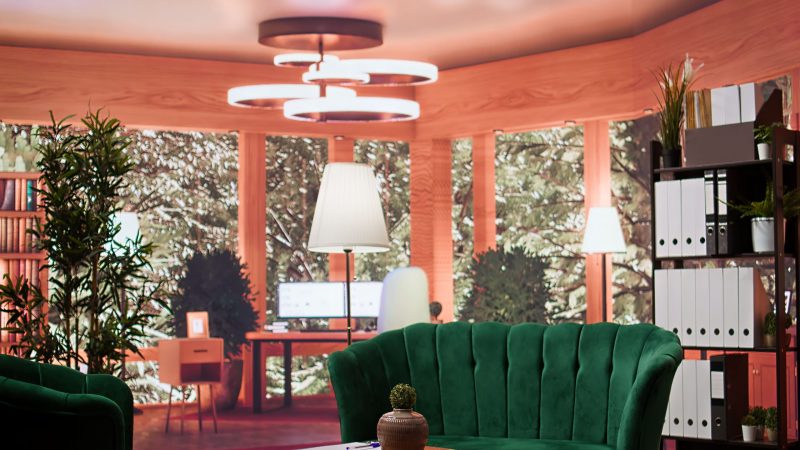

Scroll through enough interior content, and you will feel pulled in two directions. One image shows white walls, open space, and nothing out of place. The next is all gallery walls, jewel-toned velvet, and layered rugs. Neither looks wrong. Neither looks simple to pull off.
When it comes to maximalist vs minimalist interiors, there is no right answer. The style that suits your home is the one that suits how you live in it. Once you understand what each approach really means, the choice becomes much easier.
What Minimalist Interiors Actually Mean
Minimalism gets misread all the time. People picture it as bare, cold, and a little sad. In practice, a well-done minimalist interior is none of those things. It is warm, calm, and deeply thought through. Every object earns its place. What remains carries more weight because of the surrounding space.
The style has roots in Japanese wabi-sabi, which is the idea of finding beauty in simplicity and imperfection. It also draws from Scandinavian design, where function and warmth go hand in hand. In a minimalist home, surfaces stay clear. Colour palettes tend to be neutral and tonal: warm stone, greige, soft taupe, and chalky white. Furniture is fewer in number but better in quality. Pieces are often multi-use, with hidden storage built in.
What stops a minimalist room from feeling cold is texture. Raw timber, matte ceramics, washed linen, and smooth marble all add warmth without adding clutter. Natural light does a lot of the work too. A good minimalist scheme does not erase your personality. It focuses on it.
What Maximalist Interiors Actually Mean
Maximalism gets misread just as often, but in the other direction. Clutter, chaos, too much of everything: that is the common view. A well-designed maximalist interior is none of those things. It is curated. There is a big gap between curated abundance and just a lot of stuff.
The style draws from Art Deco glamour, Bohemian layering, and global design. The core idea is that every item should mean something. Travel finds, family pieces, collected art, and rich textiles tell the story of the people who live there. Bold colours feature heavily: emerald green, sapphire blue, deep rust, and rich ochre. Layered patterns, gallery walls, and statement pieces create a room with real depth and life.
What holds a maximalist space together is visual rhythm. A repeated colour, a shared material, or a recurring motif links all the objects across a room. Without that thread, maximalism tips into chaos. With it, a room feels genuinely alive and full of character.
How Your Lifestyle Should Shape the Choice
This is where things get practical. Research from UCLA’s Centre on Everyday Lives of Families found a clear link: the more possessions people have, the more stress they feel at home. Elevated cortisol levels were tied directly to homes that felt cluttered or unfinished.
That is not a reason to avoid maximalism. It is a reason to know the difference between a curated collection and a pile of things you never sorted out.
Three things are worth thinking about honestly before you pick a direction.
Sensory tolerance
Some people feel energised by a rich, layered space. Others find it draining. There is no right or wrong here. It comes down to how your brain responds to your surroundings. Ask yourself: do you unwind in a busy room or a calm one?
Maintenance
A minimal scheme is easier to keep tidy. Fewer objects, cleaner lines, less to manage. A maximalist scheme needs more upkeep: styling shelves, rotating displays, and keeping layers fresh. If your household is busy, be honest about how much time you have for this.
Space size
Neither style is only for big homes. But maximalism needs more care in small rooms. Too much in a small space tips into chaos fast. Minimalism works well in compact rooms and can make a flat feel much larger than it is.
Why Blending Both Often Works Best
Most people are not at either extreme. They want the calm of a clean layout but also want their home to feel like theirs. That is why soft maximalism has become such a popular direction.
The idea is simple: start with a minimalist base and add maximalist touches in key spots. Not everywhere at once. Just in the right places.
Here are three ways it can look in practice:
- A neutral living room with one emerald velvet sofa and a cluster of brass pieces
- A white kitchen with open shelves showing a curated set of hand-painted ceramics
- A calm bedroom with one bold, patterned wall behind the headboard
The space breathes. The personality shows up in chosen moments, not on every surface.
The key to making a blend work is a design anchor. Pick one clear decision that holds the room together: a colour that repeats across objects, a shared material, or one dominant piece. Without that anchor, a blended space just looks like no decision was ever made.
The Style That Suits Your Home Is the One That Suits You
Ultimately, the maximalist vs minimalist interiors debate is not really a debate. Both styles, done with care and a clear sense of the person living there, produce spaces that feel right. The mistake is picking a look because it works on a screen, not because it matches how you want to feel in your home each day.
For more on interior design, colour, and making smart décor choices, keep reading at Designer Square, where design thinking meets the real work of making your home feel like yours.